
Choosing between an urban and a natural wedding setting
Choose between an urban and a natural wedding setting by considering the experience you want first, then the images that attract you. Neither setting automatically produces more spontaneous or elegant portraits. Light, movement and comfort have a substantial role. Comparing your actual locations will help more than treating city and nature as two fixed photographic styles that always behave the same way.
Describe your connection to the setting
Think about where you enjoy spending time together. Streets, lines and movement may reflect everyday life as a couple. Green surroundings may recall moments of quiet. The connection does not have to be dramatic. It simply gives the setting a personal reason beyond the popularity of particular wedding images or the look of current references.
Choose a few references and explain what appeals to you. Is it the background, light, expression or closeness between the partners? You may discover that the preference mainly concerns the photographic approach. Intimate portraits are possible in either environment when there is a suitable space and permission to use it for your session.
Compare shapes and backgrounds
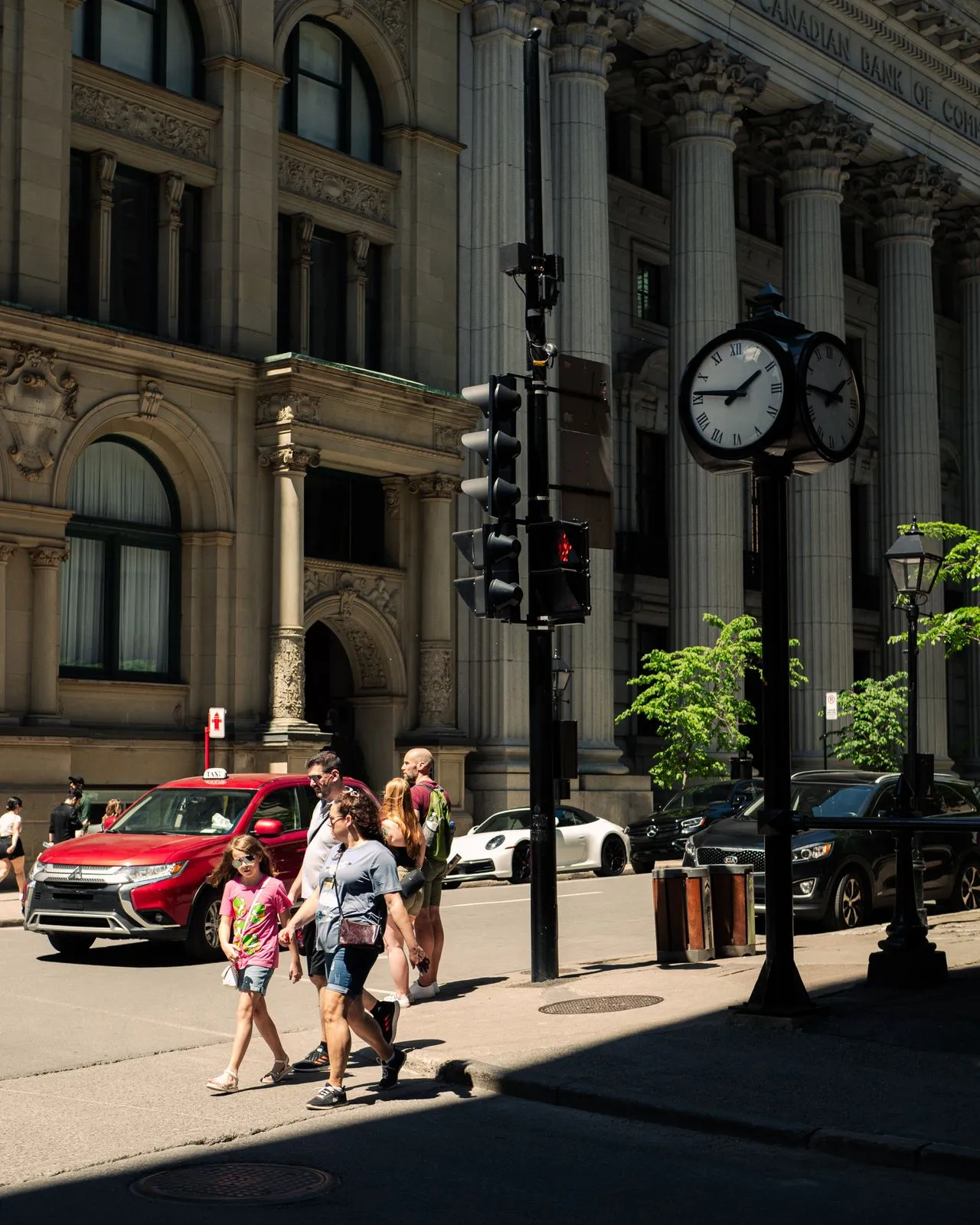
In an urban location, examine lines, colour contrasts, signs and features that might compete for attention. Architecture can help organize a photograph, but the actual frame still needs to give the couple a clear place. An interesting background does not have to be filled from edge to edge with visual information.
In a natural setting, look at the ground, branches near faces and bright areas behind people. Greenery is not automatically an even background. The same place can feel gentle or strongly contrasted depending on the chosen position. Ask which options are likely to suit the time when your session will actually happen.
Consider the effort required from people
Compare routes with clothing and relatives in mind. An urban setting may involve steps or several entrances. A natural location may have uneven ground or a substantial walk. Check the conditions of the specific options instead of linking one visual style to an assumed level of comfort. What works for the couple may differ for family groups.
For relatives, prioritize access and a comfortable place to wait. The couple can continue to another angle afterwards if appropriate. For example, family photographs near the reception may be followed by a short walk together, without requiring everyone else to join the same exploration or wait while additional compositions are attempted.
Think about the film’s movement and sound
An urban setting may suggest energy and movement; a natural setting may invite a walk or pause. These are possible intentions rather than requirements to perform a scene. Tell the videographer whether you enjoy images that establish the environment or prefer attention concentrated on the way the two of you interact together.
Assess sound separately when spoken words matter. Traffic, wind, equipment and conversation can affect either type of setting. A visually quiet frame does not guarantee an easy recording. Work with the team to choose somewhere appropriate for the important words, even if that location is different from the principal backdrop used for photographs.
Test the schedule and weather alternative
Place each option within the real route. Include arrival, walking, the session and departure. If a choice creates several transitions, ask whether the expected experience justifies the organization. A location near your main venue may allow more time together and greater flexibility when the day changes or an earlier event takes longer.
For each option, confirm permission and a weather response. An urban environment does not guarantee available shelter; a natural property may have a usable interior if the manager approves it. Compare complete plans, including what will happen if the outdoor session becomes uncomfortable or access changes, rather than comparing only the ideal photographs.
Choose a main direction with a complementary detail
You do not need to divide portraits equally between both environments. Choose a main direction that feels right, then add a nearby complementary detail if it supports the story. For example, a façade might precede a few photographs in an approved garden at the same property without adding another destination and journey.
Make the decision through three questions: will we feel comfortable, is the location confirmed and does it support our priorities? Share the choice and its reasons with the photo and video team. That common intention is more useful than a list of photographs expected to happen regardless of the conditions present on the day.
Frequently asked questions
Does a natural location make portraits more spontaneous?
Spontaneity depends mainly on comfort and the way you work together. Either environment can support it when the setting suits the people involved.
Can we combine city and nature?
Yes, if the locations are close and access is confirmed. One main direction with a few complementary images can be enough.
What if we prefer different settings?
Explain what each setting represents to you. Then seek a location sharing the important characteristics rather than automatically planning two complete sessions.
More ideas
for your day.
How to feel comfortable in front of the camera on your wedding day
Build comfort in front of the camera through clear conversations, simple starting points and a portrait pace that fits the way you want to experience your day.
ExploreHow to create natural wedding couple portraits
Plan natural couple portraits through simple interactions, flexible direction and a comfortable setting that gives your own way of being together room to unfold.
ExploreIt all begins
with you.
A date, a place, a few ideas. Tell us what you have in mind, and let’s imagine memories that feel like you.
Check our availability