
How to create natural wedding couple portraits
Natural portraits show a believable relationship even when a photographer selects the light and suggests a movement. The goal is not to remove all direction, but to find suggestions that suit how you are together. Prepare a comfortable setting, a few intentions and enough freedom for gestures to evolve. Spontaneity can be encouraged; it cannot be ordered through an expression you are expected to reproduce.
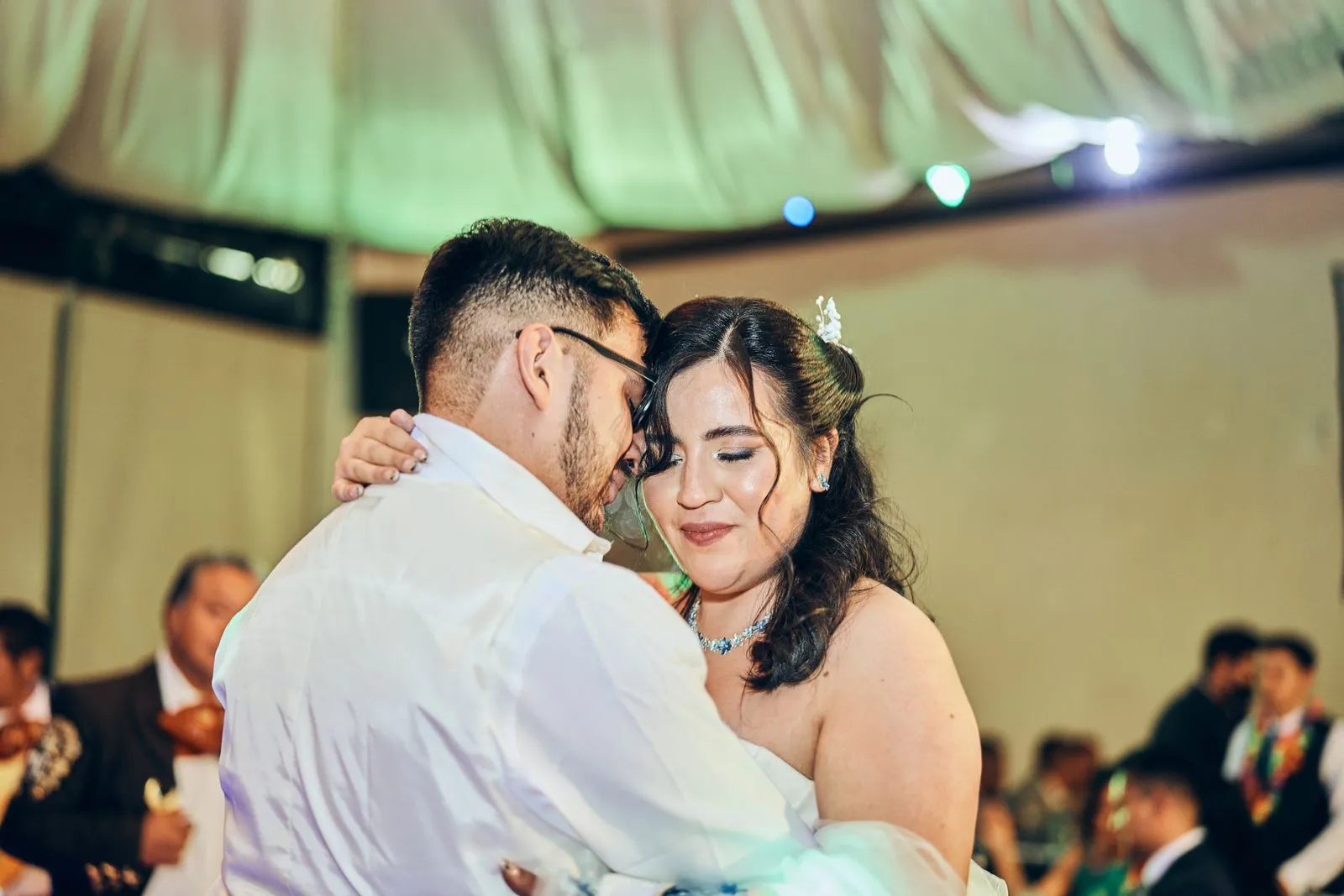
Explain what feels natural in your relationship
Some couples use frequent touch; others connect mainly through looks and conversation. Describe your usual way of being close. A tender portrait may be reserved, playful or openly affectionate. That explanation gives the team more useful guidance than a general request for spontaneous photographs that different people could interpret in very different ways.
Choose references for their interactions, then explain how you differ from the people shown. You may enjoy an image’s closeness without wanting the same embrace. Mention gestures that feel uncomfortable or artificial. A suggestion works because you connect with it, rather than because it has appeared successfully in another couple’s wedding gallery.
Give each short sequence a simple purpose
Instead of seeking a perfect pose, begin with an ordinary action: meeting your partner, walking towards a clear point, sitting together or exchanging a few words. A clear purpose avoids piling on instructions. The photographer can refine your position in the light while leaving the relationship room to develop through the action.
For example, take a moment to notice details in each other’s outfits and talk about them. That can create real closeness without requiring a continuous smile. If you prefer a quiet exchange or a walk, choose that instead. Prompts should support your interaction rather than pulling attention away from the person you are with.
Let movements come to a natural finish
Interesting expressions sometimes happen just after a suggestion, when shoulders relax or you react to what has happened. Avoid becoming still immediately after every shutter sound. Continue the gesture naturally until the team invites a change, without trying to turn it into a performance for the camera or checking whether every expression was correct.
A laugh does not need to last to be authentic. A quiet photograph can communicate genuine closeness too. Tell the photographer if you want a series combining these different rhythms. Variation often comes from allowing small reactions to unfold rather than moving quickly through a succession of highly different gestures and expressions.
Choose light and space that free your attention
A location where you can move without watching every step supports easier interaction. Check surfaces, working space and permission. A simple background can let the relationship lead the image. A broad landscape is not essential if reaching it would make the session mostly about travel, balancing or protecting clothing from the surroundings.
Allow the photographer to adjust your orientation to the light. A small shift or change of position may make faces easier to read. This technical direction does not make expressions less natural. It prepares a useful frame in which your attention can return to your partner instead of trying to manage every visual detail yourself.
Coordinate photo and video expectations
If video is part of the session, discuss how the professionals share short sequences. A movement may serve both disciplines through different framing. Understanding the coordination helps explain why an action might be suggested again, without leaving you to assume your original response was inadequate or that you must now invent a bigger emotion.
Protect moments without directed conversation as well. Walking or standing quietly together can give a film breathing room. If you want personal words recorded, prepare that separately with the videographer. Visual closeness and clear sound do not always benefit from the same place or conditions, even when they belong to the same emotional story.
Protect a focused session with room to respond
Avoid turning portraits into a long checklist of poses. Keep a few intentions, such as a clear photograph of both of you, a closer interaction and a sequence with movement. Add the particular needs that matter, then leave space for the team to create variety from the setting, light and way you respond together.
Choose a point in the day that suits your energy and surrounding events. Allow room to breathe, adjust clothing or drink water. If a suggestion does not work, move on without treating it as a failure. Natural portraits develop through flexible collaboration that pays attention to the actual people present rather than an imagined ideal couple.
Frequently asked questions
Can directed photographs still look natural?
Yes. Direction may address light and positioning while expressions and exchanges remain your own. Those elements can work together rather than compete.
Must we laugh and move in every portrait?
No. Quiet images and reserved expressions can be just as true to your relationship. Discuss the balance that feels right for you.
Should we bring a pose checklist?
A few explained references are often enough. A very detailed list may reduce attention to your spontaneous gestures and the possibilities present during the session.
More ideas
for your day.
How to include children in your wedding photos
Plan wedding photos with children using realistic expectations, a trusted adult and flexible moments that respect their energy, routines and comfort.
ExploreHow to make an important wedding photo list without scripting the day
Build a useful wedding photo list around essential relationships, meaningful details and clear priorities while leaving space for spontaneous moments.
ExploreIt all begins
with you.
A date, a place, a few ideas. Tell us what you have in mind, and let’s imagine memories that feel like you.
Check our availability