
Why choose a photography and video team that works together
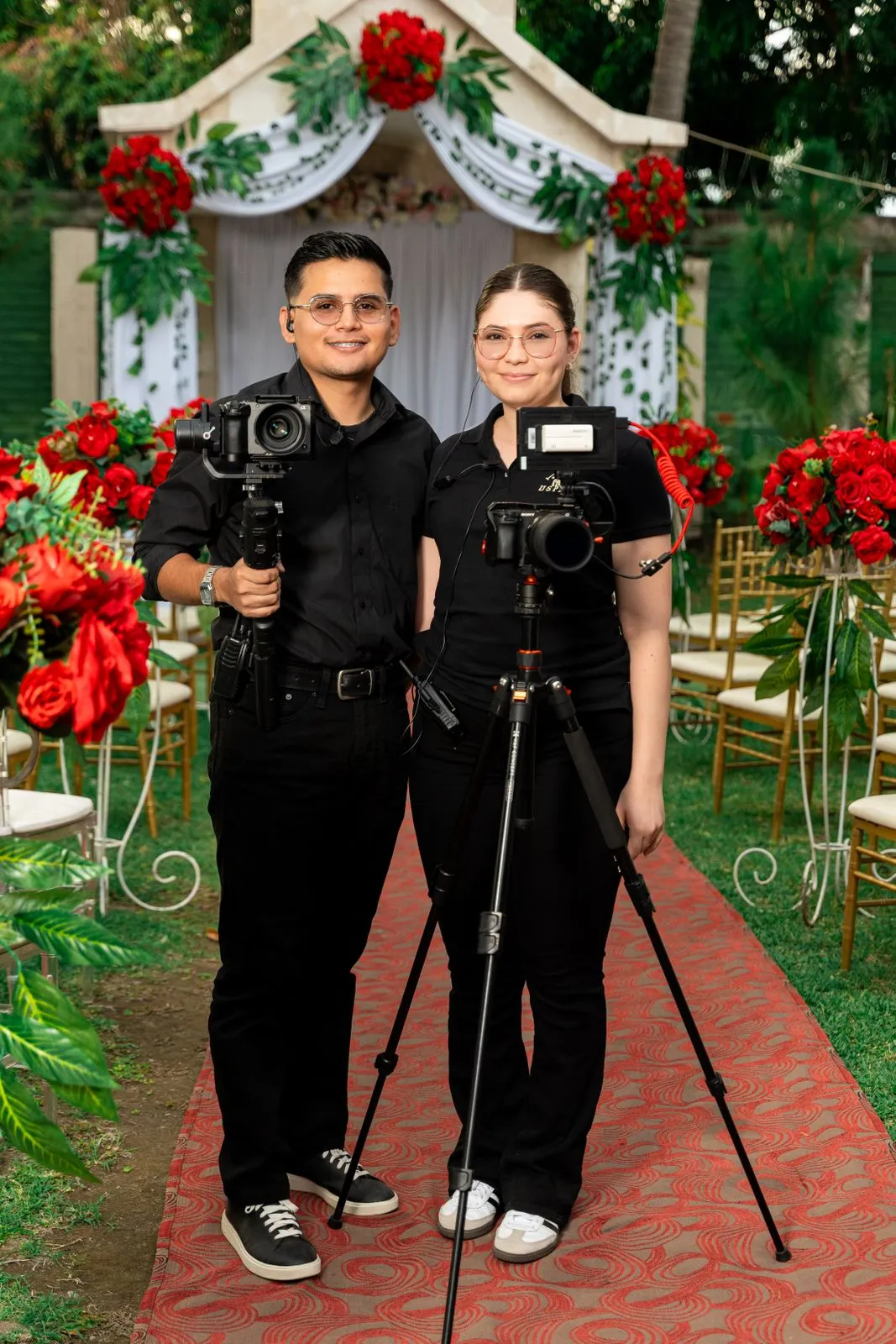
Choosing photography and video professionals who work together can simplify communication and on-site decisions. The benefit comes mainly from a shared method: understanding priorities, anticipating positions and coordinating direction. Still, ask how that collaboration actually works and what the proposal describes for each service. Familiarity is useful when it produces a clear plan for your particular day.
Share an understanding of the day
Shared preparation helps identify the essential events for both media. A strong photograph and a meaningful sound sequence do not always require the same preparation. Name important people, traditions and words so everyone understands the priorities.
Planning example: your private vows take place before the formal ceremony. In that situation, plan their place in the schedule together and discuss discretion. Add this decision to your notes and check with the person involved that it matches the expected sequence of events. A concrete answer helps reveal adjustments while there is still time to make them.
Coordinate positions during the ceremony
Teams need to see meaningful gestures without obstructing one another or disturbing guests. Discussing viewpoints, aisles and venue rules reduces unnecessary movement. It cannot guarantee every angle, but it helps identify the most useful positions under the actual conditions.
To make this practical, imagine guests sit on both sides of a narrow ceremony aisle. A useful decision is to ask who will stand where during entrances and the exchange of vows. Ask how that intention would work on the day, then keep the answer with your schedule. This example helps explain your needs; it does not describe a service that is automatically included.
Give compatible direction
During portraits, photography seeks readable individual moments while video may benefit from continuous movement. A shared sequence can serve both needs. Ask how the team alternates observation and direction without creating unnecessary repetition or keeping you away from guests longer than intended.
One situation to discuss is you want to walk together before returning promptly to cocktail hour. You can then agree on one simple sequence that provides still images and movement. Name the constraint before choosing a solution. Revisit this point if the location, number of people, or sequence of events changes during your planning.
Connect announcements with sound preparation
An entrance or speech announced without warning can surprise several suppliers. A shared contact point helps information circulate. The person making announcements should know when to alert the team, especially if sound capture requires preparation before the speaker begins.
Consider this example: a loved one is preparing a tribute that should remain a surprise. It makes sense to choose an intermediary who knows the timing and can alert both teams. Confirm who is responsible and what should happen if circumstances change. This brief conversation helps prevent two people from making conflicting decisions at the same moment.
Check each responsibility separately
Shared coordination does not mean every deliverable or option is included. Check each person’s attendance, intended responsibilities and the elements specific to photography and video. Ask how changes will be discussed and recorded so that a shared contact does not hide differences in scope.
For a useful exercise, start with this situation: you change how much of the reception you want covered. Your next step is to check how that change affects both services and their proposed scope. Compare that decision with your original priorities. If it adds a constraint without protecting an important memory, simplify the plan instead of adding more requirements.
Keep priorities realistic
Even a well-coordinated team cannot cover distant simultaneous events without a suitable plan. Identify overlaps and discuss tradeoffs. Collaboration is most useful when it helps simplify the schedule, rather than becoming a reason to add more tasks and assume that everything can happen at once.
Before deciding, consider this scenario: both preparation locations are far apart and finish at the same time. You would need to ask which priorities or team arrangement would address that situation. Record what is confirmed, what still needs checking, and who will follow up. This small preparation task makes the conversation more specific and supports the final review.
Frequently asked questions
Will a shared team create identical images?
No. Photography and video remain different interpretations. The goal is coherent coordination, not a duplicate of every frame. Review both portfolios and express your preferences for each medium before choosing.
Can separate suppliers work together?
Yes, when communication, positions and responsibilities are prepared. Ask how the people involved will connect and who will coordinate direction. Effective collaboration depends on communication, not solely on working under the same name.
More ideas
for your day.
How to compare wedding photography quotes
Compare wedding photography quotes using a clear checklist for coverage, team, deliverables, travel and arrangements that need further clarification.
ExploreHow to assess a complete wedding photography portfolio
Learn to assess a complete wedding portfolio through consistency, light, portraits, interactions and coverage of the less spectacular parts of a wedding day.
ExploreIt all begins
with you.
A date, a place, a few ideas. Tell us what you have in mind, and let’s imagine memories that feel like you.
Check our availability