
Questions to ask before booking a wedding videographer
Before booking a videographer, clarify how the images, voices and events of your wedding could become a coherent film. The most useful questions concern the result you hope for and how it will be prepared. They help explain creative choices, coordination needs and the actual scope of the proposal without requiring you to become a filmmaking specialist.
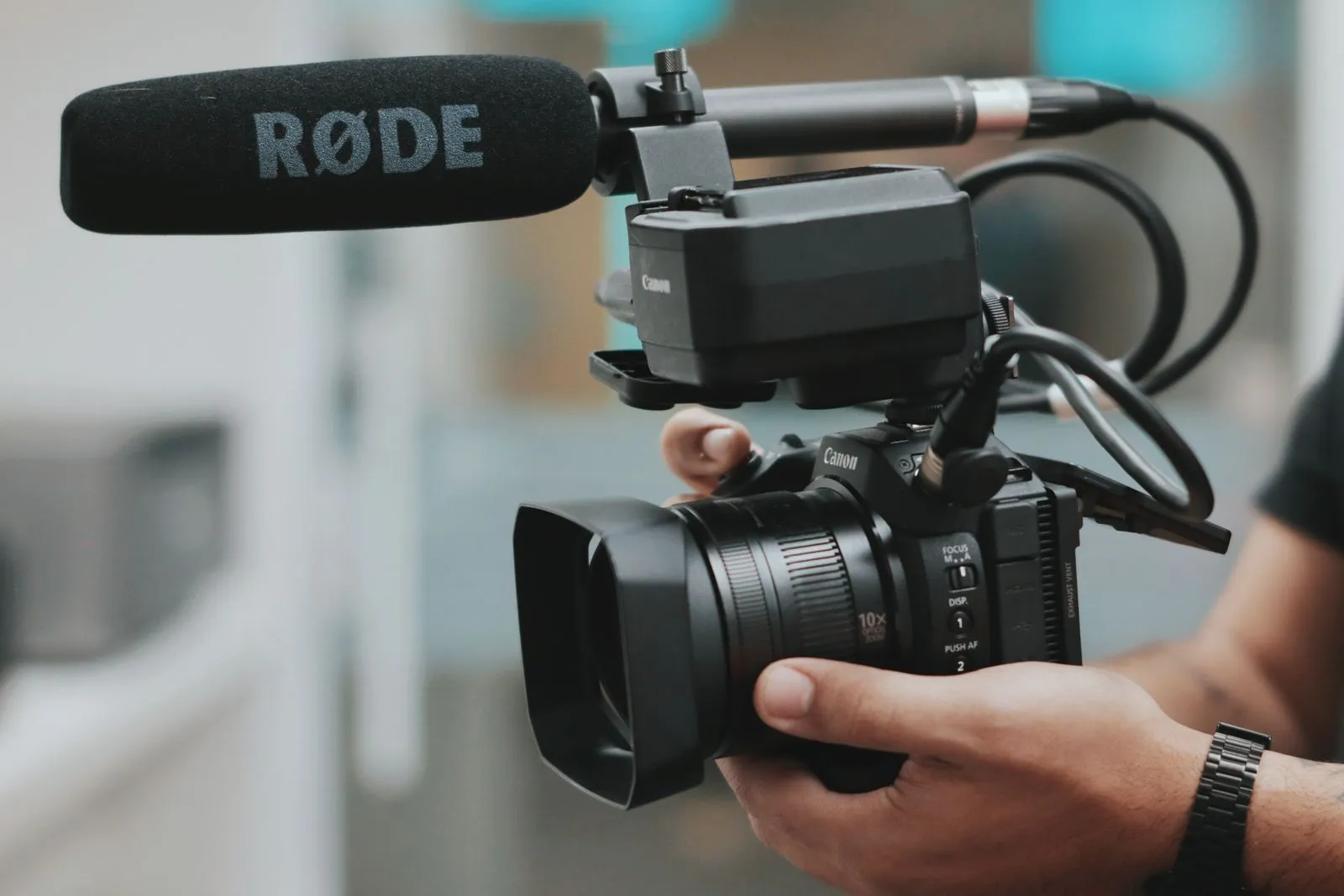
What stories do your films tell?
Ask how the videographer chooses spoken passages and organizes events. Some films follow the day; others connect scenes through voices. Watch an example together and ask what guided the edit. This makes it easier to describe whether you prefer a chronological, emotional or more energetic narrative.
Planning example: you want the sequence of events to remain clear years later. In that situation, ask how places, people and events would be given context in the story. Add this decision to your notes and check with the person involved that it matches the expected sequence of events. A concrete answer helps reveal adjustments while there is still time to make them.
How will spoken words be recorded?
Explain whether you will exchange personal vows, who will give speeches and whether surprise contributions are possible. Ask what the team needs to know beforehand and who should coordinate sound. Do not assume that a microphone heard by guests automatically provides a recording suitable for the film.
To make this practical, imagine someone hopes to speak without being listed in the program. A useful decision is to assign an intermediary to coordinate the surprise and notify the videographer. Ask how that intention would work on the day, then keep the answer with your schedule. This example helps explain your needs; it does not describe a service that is automatically included.
What direction should we expect?
Ask when prompts might be offered and how they fit with photography. A short filmed action may involve movement that differs from a still pose. The goal is to understand the method and time requirements while identifying moments you want to experience without repeating them for the camera.
One situation to discuss is your portrait time is limited between the ceremony and reception. You can then discuss a shared sequence of portraits and simple movements. Name the constraint before choosing a solution. Revisit this point if the location, number of people, or sequence of events changes during your planning.
Which deliverables are actually proposed?
Clarify every film or format named in the proposal, its intended use and how it will be delivered. Discuss the role of speeches and the ceremony without assuming that complete separate recordings are included. Ask questions about music, versions and possible requests for changes before making comparisons.
Consider this example: you imagine one version to share and another to watch with family. It makes sense to check whether those expectations match the described deliverables or require a different proposal. Confirm who is responsible and what should happen if circumstances change. This brief conversation helps prevent two people from making conflicting decisions at the same moment.
Which venue constraints need checking?
Movement rules, space around the ceremony and sound options influence filming. Ask what information to obtain from the venue and officiant. Particular permissions need checking; a visual reference never guarantees access to a position or a type of shot. Share written restrictions early so the plan can accommodate them.
For a useful exercise, start with this situation: the venue asks production teams to remain in designated areas. Your next step is to share those rules and ask how they affect possible camera positions. Compare that decision with your original priorities. If it adds a constraint without protecting an important memory, simplify the plan instead of adding more requirements.
How do we confirm and prepare?
Ask which steps make the booking official and what information will be requested later. Review written arrangements for changes to date, location or coverage. Keep a record of creative preferences while distinguishing them from contractual details. The final proposal should reflect the decisions that were actually made.
Before deciding, consider this scenario: your schedule remains provisional at the inquiry stage. You would need to identify which details may evolve and how they should be confirmed. Record what is confirmed, what still needs checking, and who will follow up. This small preparation task makes the conversation more specific and supports the final review.
Frequently asked questions
Can we choose every song in the film?
Explain your musical preferences and ask how music selection works within the proposed approach. Possibilities depend on the intended use and applicable arrangements. Do not assume that a song played at the reception can automatically be used in the final edit.
Do we need a shot list?
A short list of essential people, moments and words is often more useful than a detailed shot sequence. Highlight traditions, coordinated surprises and important relationships. Then leave room for observation and for the videographer to build a coherent story.
More ideas
for your day.
Why choose a photography and video team that works together
Learn how a coordinated photography and video team can prepare positions, portraits, sound and shared priorities throughout your wedding day.
ExploreHow to compare wedding photography quotes
Compare wedding photography quotes using a clear checklist for coverage, team, deliverables, travel and arrangements that need further clarification.
ExploreIt all begins
with you.
A date, a place, a few ideas. Tell us what you have in mind, and let’s imagine memories that feel like you.
Check our availability