
Independent wedding photographer or team: how to choose
To choose between an independent wedding photographer and a team, start with the moments you want covered, your locations and the coordination involved. A business label alone does not tell you how many people will attend or how they will work. An independent photographer may collaborate with others; a studio team may propose one person. Compare the actual arrangement being offered for your wedding rather than choosing by company structure.
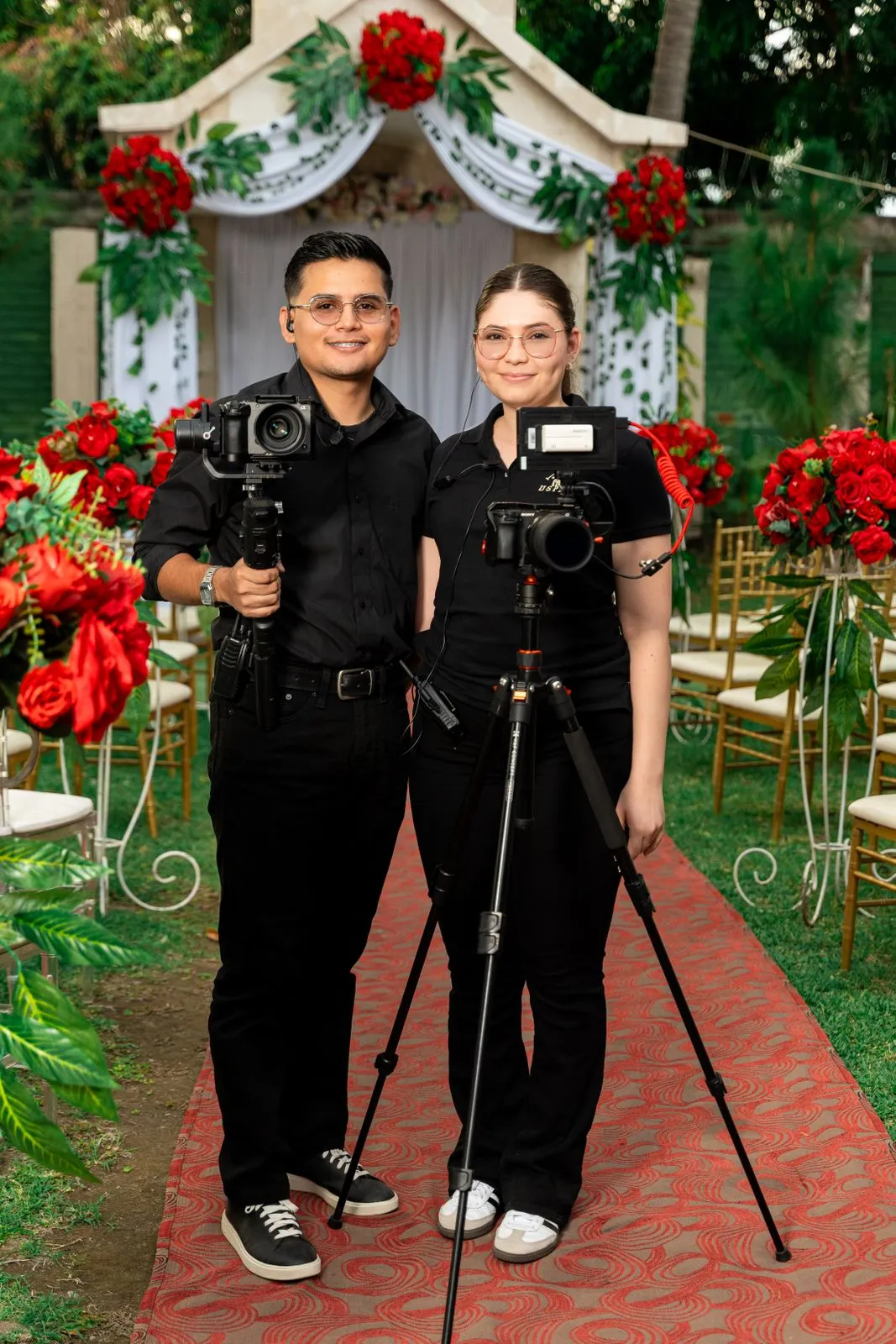
Map the moments happening at the same time
Put the main events on one page and note their locations. Identify overlaps: two preparations, reception setup during the ceremony or activities taking place in separate areas. Then decide which of these moments genuinely matter to you. An additional photographer becomes easier to assess when you understand what they would be able to cover and why that coverage matters.
In a hypothetical example, two partners are getting ready at different addresses before meeting for the ceremony. You might want both preparations covered, prioritize one location or adjust some activities if the schedule permits. No arrangement removes the distance between locations. Examine the transfers, timing and assigned responsibilities before deciding whether one photographer or several would best support your priorities.
Consider continuity with one main contact
In an arrangement centred on one photographer, communication, photography and sometimes the preparation of finished images can follow a direct path. You may appreciate explaining your plans to the same person throughout. Ask which stages they personally handle and which involve collaborators, however. Being independent does not necessarily mean completing every part of the work without anyone else’s involvement.
Consider availability for planning conversations and how information is kept up to date. One person cannot be in two places at once, but a thoughtful schedule may cover your priorities without adding more people. Assess the proposed route through your actual day. Avoid assuming a small business offers limited coverage or that a larger organization automatically provides more attentive communication.

Understand what additional perspectives would contribute
A team can divide positions, follow parallel events or separate photography and video responsibilities. Ask what each person would do during a specific part of the day. During vows, for example, who would follow the couple and who might look for family reactions? A practical explanation shows the intended value of the arrangement without promising that every reaction can be recorded.
More people also need to share the same space. Consider a small preparation room, a narrow ceremony aisle or a family group receiving directions. Ask who will lead portraits and how instructions will be coordinated. You can want complementary perspectives while also wanting a quiet atmosphere. Whether that works depends on the approach discussed, as well as the number of people listed in the proposal.
Assess continuity plans separately from business size
Ask every candidate how they would handle an unexpected absence, a staffing change or equipment trouble. An independent photographer may have collaborators, while a studio must explain its own arrangements. Several names on a website do not by themselves establish a replacement commitment. Give the answers and the written terms the same scrutiny, regardless of the type of business offering them.
Also ask about responsibility for the files and for communication after the wedding. Who receives your questions? Who prepares the photographs? How is the work coordinated when several people contribute images? You do not need to manage internal tools, but you should understand who is accountable and what the agreement covers. These answers are more useful than an impression of scale or prestige.
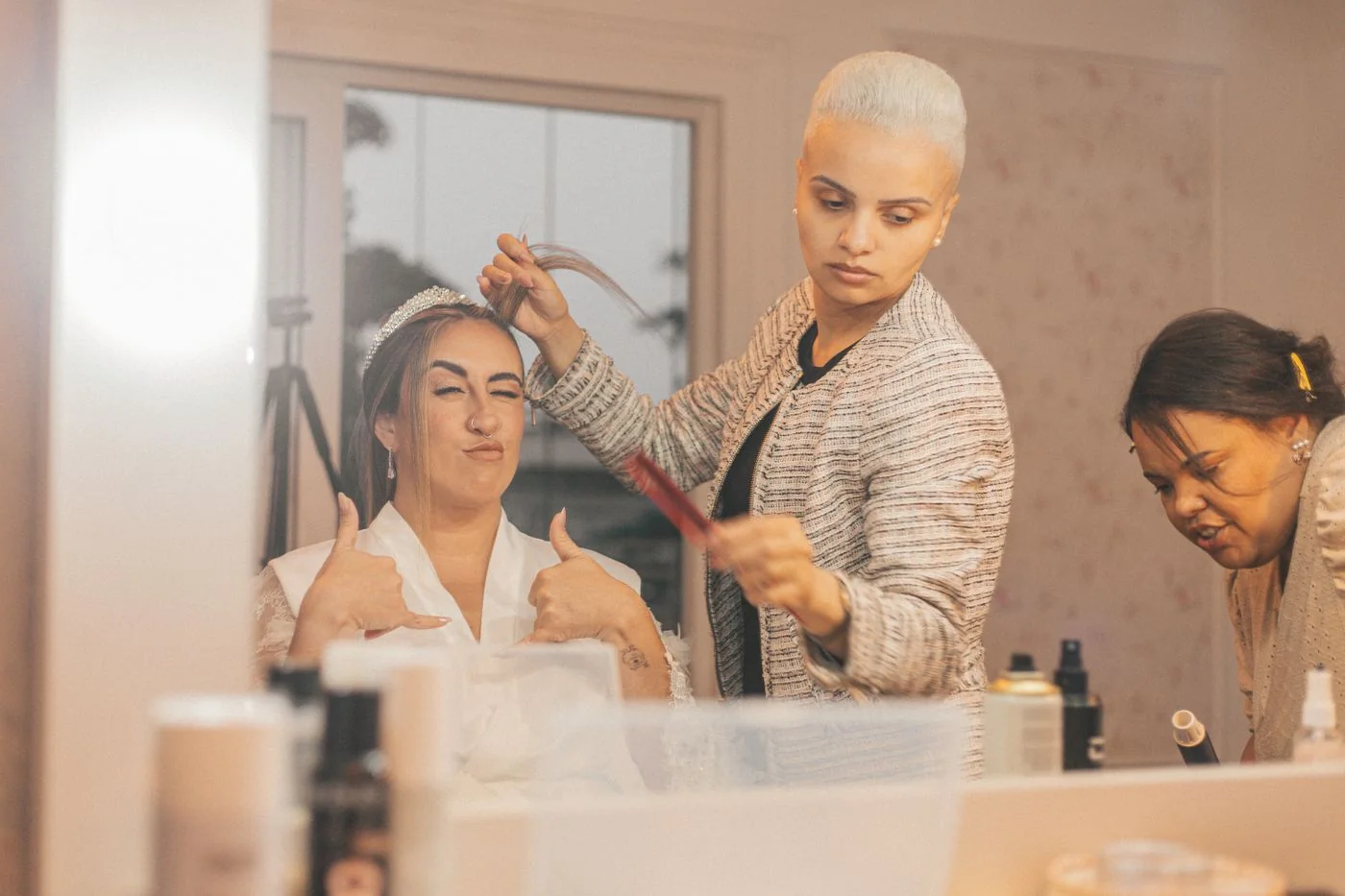
Give both proposals the same planning scenario
Share the same version of your plans with each candidate: locations, priority events, proposed coverage window and possible interest in video. Otherwise, you might compare a short attendance with a longer one and mistakenly attribute the difference to company structure. Separate the number of people, their roles, coverage duration and described deliverables in each written proposal before judging overall fit.
Then test the proposal against a real constraint. If time with guests matters, ask how family photographs would be organized within each arrangement. If two preparation locations matter equally, ask how travel would work. A clear response that supports a priority is more valuable than an abstract advantage that would make no practical difference to the day you are planning.
Choose an arrangement you can clearly explain
You should be able to summarize your choice in a few lines: the events covered, who makes decisions on site, your contact before and after the wedding and any details still outstanding. If the arrangement is difficult to explain, keep asking questions. A model is more likely to suit you when responsibilities are clear and the working plan reflects your particular celebration.
To explore coverage with Titanesk Weddings, share the outline of your day and explain which events overlap. Ask about availability and request a quote that identifies the proposed people and roles. You can then consider photography or photography and video through the needs of your own wedding, without assuming that a particular team composition or division of responsibilities has already been offered.
Plan your next steps
Frequently asked questions
Does an independent wedding photographer always work alone?
No. They may collaborate with another photographer, a videographer or postproduction specialists. Ask what is proposed for your date. The business structure does not replace a clear description of who will attend, what each person will do and how communication will be handled.
Does a large wedding automatically need a team?
Guest count provides context, but it does not answer the question by itself. The layout, simultaneous events and your priorities also matter. Ask for an explanation of the proposed division of work before deciding how many people would be useful for your coverage.
More ideas
for your day.
Why choose a photography and video team that works together
Learn how a coordinated photography and video team can prepare positions, portraits, sound and shared priorities throughout your wedding day.
ExploreWho will photograph your wedding? Questions to ask a studio
Before booking a wedding studio, establish who will photograph your day, whose work appears in the portfolio and how your photographer will be confirmed.
ExploreHow to choose your wedding coverage duration
Choose your photography and video coverage duration by connecting essential events, travel, portraits and practical flexibility within your schedule.
ExploreIt all begins
with you.
A date, a place, a few ideas. Tell us what you have in mind, and let’s imagine memories that feel like you.
Check our availability