
How to choose your wedding videographer
Choosing a wedding videographer means watching and listening. Music and attractive images alone cannot show how your story will be told. Evaluate the role of voices, the editing rhythm and the filming plan, then check whether the proposed deliverables suit the way you hope to revisit and share your memories.
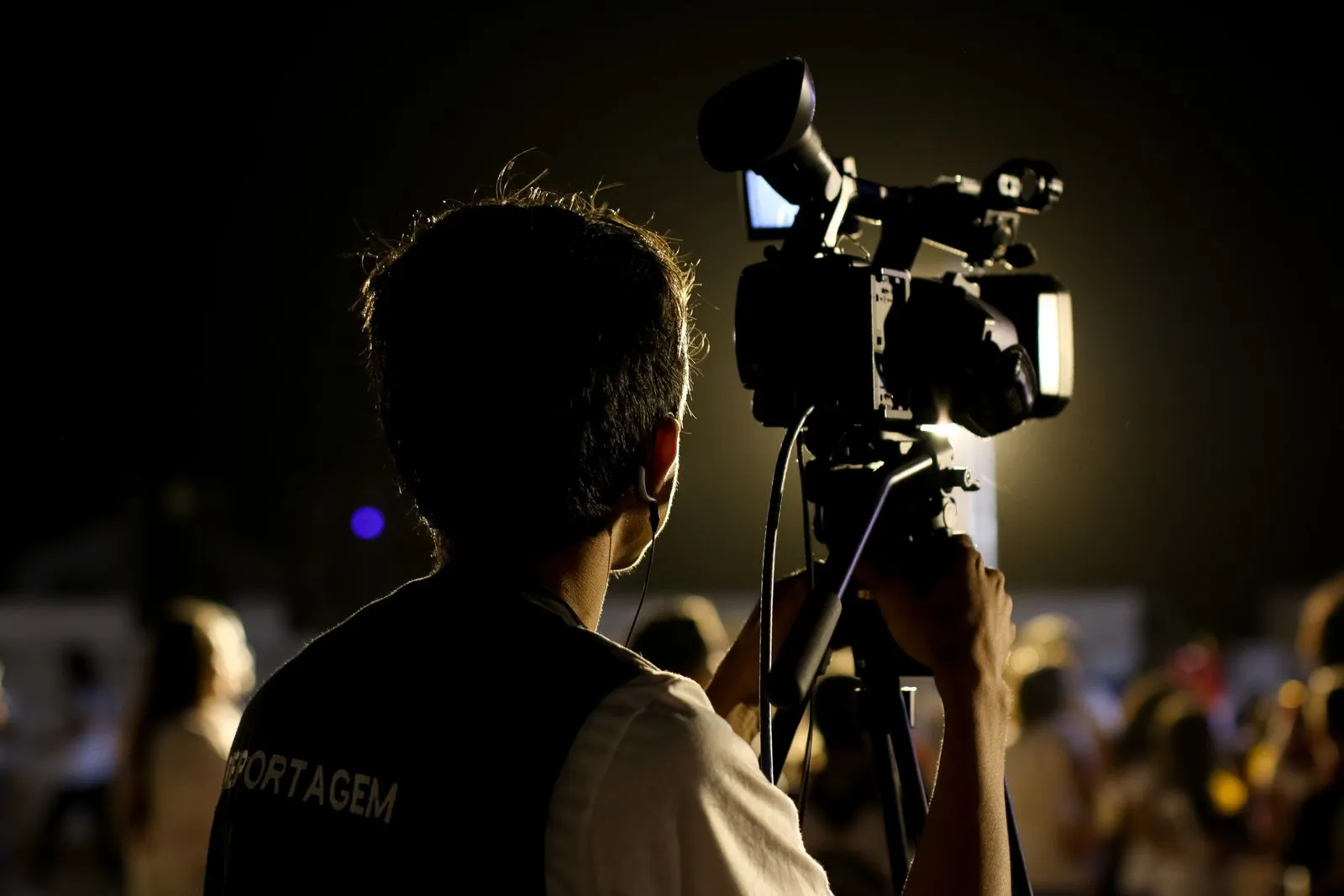
Listen before judging the picture
Listen to vows, speeches and transitions at a normal volume. Important words should remain understandable when music enters. Notice how laughter and room ambience are used: they can provide context without filling every second. Sound reveals the storytelling intention as much as the camera work does.
Planning example: the speeches are the memory you most want to preserve. In that situation, ask for examples in which voices play a meaningful role in the film. Add this decision to your notes and check with the person involved that it matches the expected sequence of events. A concrete answer helps reveal adjustments while there is still time to make them.
Identify the rhythm that suits you
Fast editing creates a different feeling from a film that gives conversations room to breathe. Watch several films all the way through and notice which passages affect you. Describe your preference concretely: hearing a complete sentence, seeing a reaction or feeling the energy of a busy dance floor.
To make this practical, imagine you enjoy calm sequences as much as lively party moments. A useful decision is to describe the transitions you would like between emotion, quiet and energy. Ask how that intention would work on the day, then keep the answer with your schedule. This example helps explain your needs; it does not describe a service that is automatically included.
Understand the filming presence
Ask what will be observed as it happens and what might call for direction. Some movements, location changes or details require brief coordination. You can prefer a discreet presence while accepting a few prompts during portraits. Be especially clear about moments you want to experience without interruption.
One situation to discuss is you do not want to repeat your entrance for the camera. You can then agree on advance preparation that respects the moment as a single event. Name the constraint before choosing a solution. Revisit this point if the location, number of people, or sequence of events changes during your planning.
Discuss sound capture
Explain where vows and speeches will happen, who will speak and how the sound system will be used. Ask what information the videographer needs from the venue or audio contact. The goal is to anticipate constraints without assuming a particular piece of equipment or connection will be available.
Consider this example: an outdoor ceremony will be followed by speeches in a different room. It makes sense to identify the contacts and opportunities to check sound in each space. Confirm who is responsible and what should happen if circumstances change. This brief conversation helps prevent two people from making conflicting decisions at the same moment.
Clarify films and their use
The word video can refer to several deliverables. Ask what the proposal describes, which sharing formats are contemplated and how important moments will be represented. Wanting an easy film to share does not automatically mean the ceremony or speeches will also be delivered as separate recordings.
For a useful exercise, start with this situation: your family wants to revisit the spoken words while you want a summary. Your next step is to check which film formats could serve both of those purposes. Compare that decision with your original priorities. If it adds a constraint without protecting an important memory, simplify the plan instead of adding more requirements.
Evaluate coordination with other teams
A videographer shares space with photography, the ceremony and other suppliers. Ask how positions are discussed and how direction is coordinated during portraits. A clear method protects viewpoints, limits interruptions and helps you avoid receiving competing instructions at the same time. Share relevant contact information during planning.
Before deciding, consider this scenario: the ceremony has a narrow central aisle. You would need to discuss possible positions and movements to avoid during key moments. Record what is confirmed, what still needs checking, and who will follow up. This small preparation task makes the conversation more specific and supports the final review.
Frequently asked questions
Is a social media clip enough?
A short clip can show a visual style, but not the construction of a complete story. Watch fuller films to evaluate voices, transitions and the variety of scenes. Ask for examples with conditions comparable to the main parts of your wedding.
Can we request a particular style?
You can share references and explain what appeals to you. Then ask whether that intention fits the videographer’s usual approach. Discussing pace, voices and atmosphere is more useful than asking for another film to be reproduced exactly.
More ideas
for your day.
Questions to ask before booking a wedding photographer
Prepare your questions before booking a wedding photographer, covering approach, coverage, deliverables, planning, changes and written confirmation.
ExploreQuestions to ask before booking a wedding videographer
Ask your wedding videographer useful questions about storytelling, voices, deliverables, filming coordination and the details of your booking arrangements.
ExploreIt all begins
with you.
A date, a place, a few ideas. Tell us what you have in mind, and let’s imagine memories that feel like you.
Check our availability