
How to choose your wedding photographer in Montréal
To choose a wedding photographer in Montréal, start with consistent images, clear communication and an understanding of your day. One beautiful portrait cannot show how someone covers a ceremony or handles travel between locations. Set a few priorities before comparing proposals so your decision reflects the celebration you are actually planning.
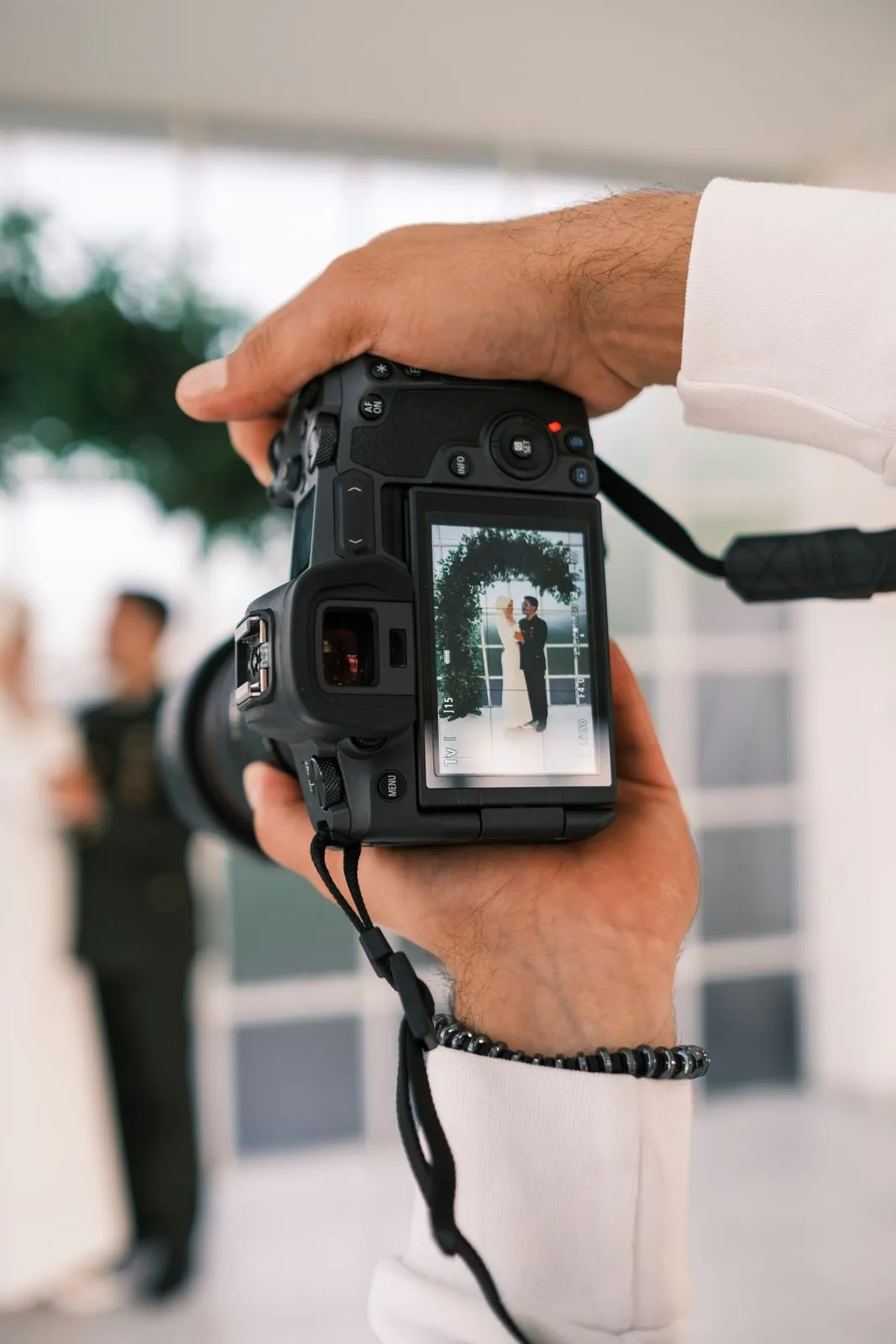
Define the memories that matter
Choose three visual priorities: interactions with loved ones, couple portraits, the reception atmosphere or carefully prepared details. Explain why they matter. This hierarchy helps a photographer understand your expectations and prevents you from looking for someone whose work somehow satisfies several conflicting preferences at once.
Planning example: you mostly want to recognize your loved ones in the photographs. In that situation, ask to see cocktail hour and reception photographs alongside the portraits. Add this decision to your notes and check with the person involved that it matches the expected sequence of events. A concrete answer helps reveal adjustments while there is still time to make them.
Look at complete wedding days
Look at galleries that move from preparations through the reception. Watch for consistent colour, lively expressions and readable results in different light. The featured weddings do not have to look exactly like yours, but their conditions should help you assess situations that resemble your own plans.
To make this practical, imagine your ceremony will be indoors and your reception dimly lit. A useful decision is to compare those portions with the outdoor images that first caught your attention. Ask how that intention would work on the day, then keep the answer with your schedule. This example helps explain your needs; it does not describe a service that is automatically included.
Evaluate travel around Montréal
In Montréal, multiple addresses can shape the entire coverage plan. Describe the starting locations, ceremony and reception spaces, parking arrangements to verify and how the group will travel. Avoid treating a transfer as time that is automatically available for photographs, even when two locations appear close on a map.
One situation to discuss is preparations will happen in two different neighbourhoods. You can then review together what can be covered and the tradeoffs associated with each transfer. Name the constraint before choosing a solution. Revisit this point if the location, number of people, or sequence of events changes during your planning.
Understand how direction works
The word natural can mean quiet observation, gentle prompts or fully directed portraits. Ask how the photographer steps in when you do not know where to look, when a group needs gathering or when the light makes a chosen location less suitable. The answer should make sense without technical terminology.
Consider this example: you like spontaneous photographs but worry about feeling stiff. It makes sense to ask for examples of simple prompts used during couple portraits. Confirm who is responsible and what should happen if circumstances change. This brief conversation helps prevent two people from making conflicting decisions at the same moment.
Compare the written scope
Check the date, locations, proposed coverage window, team composition and described deliverables. Separate confirmed details from items still being discussed. Sharing options, travel arrangements and the process for changes deserve attention alongside the visual style. A clear proposal should let you understand what your decision actually includes.
For a useful exercise, start with this situation: two proposals use the same service name but describe different deliverables. Your next step is to compare them item by item before making a decision. Compare that decision with your original priorities. If it adds a constraint without protecting an important memory, simplify the plan instead of adding more requirements.
Check the working relationship
Your photographer will be present during private and lively moments. Notice how they listen, explain their work and restate your needs. You should be able to mention a concern, a delicate family situation or a preference for discretion without having to defend it at length. Comfort supports better preparation as well as easier portraits.
Before deciding, consider this scenario: a loved one would rather avoid close photographs. You would need to communicate that preference and agree on a discreet way to respect it. Record what is confirmed, what still needs checking, and who will follow up. This small preparation task makes the conversation more specific and supports the final review.
Frequently asked questions
Should we choose someone based near the venue?
Proximity alone does not tell you whether an approach fits. Discuss availability for your date, the service area, expected travel and the conditions of your day. Clear planning and consistent work provide more useful evidence than distance alone.
How many portfolios should we compare?
Compare a small group of serious candidates after defining your priorities. Endless browsing without clear criteria can make the decision less clear. Record observations about galleries, conversations and proposal details so that you keep comparing the same things.
More ideas
for your day.
How to choose your wedding videographer
Choose your wedding videographer by listening to complete films, reviewing their storytelling and discussing sound, filming coordination and deliverables.
ExploreQuestions to ask before booking a wedding photographer
Prepare your questions before booking a wedding photographer, covering approach, coverage, deliverables, planning, changes and written confirmation.
ExploreIt all begins
with you.
A date, a place, a few ideas. Tell us what you have in mind, and let’s imagine memories that feel like you.
Check our availability