
Summer weddings: planning for heat, sun and photographic light
For summer wedding photographs, comfort and the quality of light belong in the same conversation. A clear sky does not automatically make every location pleasant for portraits. Direct light can make people squint, while a long outdoor wait can leave participants tired. Choose accessible shade, keep water available and discuss portrait windows with your team. The goal is a plan that responds to the actual day without asking you to remain in the sun simply to match a reference photograph. Thoughtful logistics can help everyone feel more present and at ease.
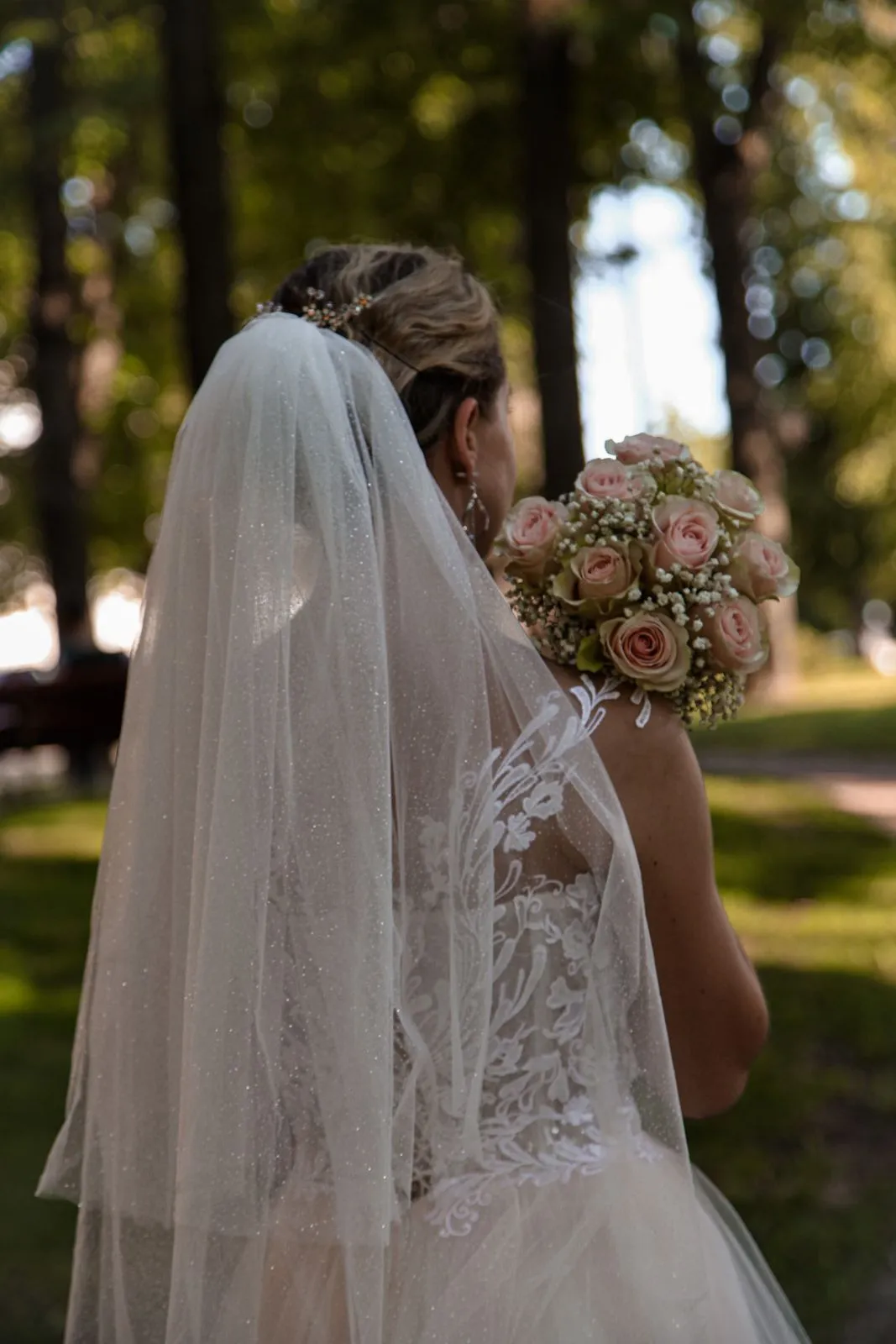
Look at shade and backgrounds together
When choosing locations, find shaded areas where participants can stand together with a background you enjoy. A small patch of shade might suit two people but not a large family group. Light also changes position during the day, so an attractive setting should be assessed with the portrait schedule in mind.
Share the planned portrait time so your team can consider alternatives. Avoid assuming a backdrop works at every hour because it felt comfortable during a visit. A covered area or nearby interior may offer another visual approach without introducing a lengthy trip away from the celebration.
Make breaks easy to use
Keep water and useful belongings near the route, with someone who knows where to find them. A bottle forgotten in a distant vehicle does not make a break convenient. Comfort items should be accessible without asking the couple to organize a search whenever someone needs something between portraits or planned events.
Identify somewhere you can sit and regain your breath between sequences. If someone feels unwell, stop the activity and seek appropriate help. Portraits can be adjusted; no setting justifies continuing a session at the expense of a participant’s well-being or ability to enjoy the rest of the day.
Reduce waiting for groups
Relatives and the wedding party do not necessarily need to stay outdoors for the entire session. Gather groups progressively when a suitable nearby waiting place is available. Give clear directions so people remain easy to find without standing in the same sunny spot while several other combinations are being photographed.
Photograph people who need a shorter wait early in the sequence. Tell relatives about the walking route and surfaces. Planning for mobility and fatigue supports relaxed expressions and interactions more effectively than repeatedly asking tired participants to smile when they are finally called into a group.
Build the timing around your priorities
You may divide portraits into several sessions instead of concentrating everything in an uncomfortable period. That option needs coordination with the ceremony, meal and participant availability. A later outing cannot be assumed to fit simply because you like softer light; it needs a real place in the sequence.
Choose a workable main session and ask the team what additional options might fit naturally. For example, family groups near the venue could happen before a later couple session. The actual schedule and agreed scope determine what is possible, rather than a generic summer timeline from another wedding.
Prepare clothing for real movement
Think about walking, sitting and replacing accessories between images. Practical shoes for transitions may help. If you want hair or makeup touch-ups, ask the relevant suppliers what is appropriate and decide who will keep the necessary items nearby. Avoid relying on something packed away at another location.
Limit the number of accessories you need to carry. A small bag held by a relative may be more useful than several scattered objects. Tell the team which movements or positions feel uncomfortable so they can offer direction suited to your outfit and energy rather than repeating an unsuitable pose.
Include sound and ceremony needs
An outdoor summer ceremony also involves guest comfort and sound when video is planned. Discuss orientation, possible shaded seating and amplification with the people responsible for the location. The photographer and videographer need the layout, including any weather-related changes, so their own movement can be planned around the ceremony.
Wind, conversations and nearby equipment can affect recorded words even when the weather looks ideal. Flag any private exchange you hope to preserve outdoors. A joined-up plan connects setting, light and the practical needs of the wedding instead of treating them as unrelated decisions made by different people.
Frequently asked questions
Does bright sun prevent good wedding photographs?
No. The team can adapt angles and locations. Comfort, light and the options at the site still need to be assessed together rather than relying on one particular composition.
Should every portrait happen near the end of the day?
Not necessarily. Family groups, the ceremony and reception have their own constraints. Discuss a practical distribution that preserves a core portrait session within your actual timeline.
More ideas
for your day.
How to plan meaningful autumn wedding photographs
Plan autumn wedding photographs with realistic light, varied backdrops and comfortable alternatives for wind, cooler temperatures and damp walking surfaces.
ExploreRain on your wedding day: preparing a photo backup plan
Prepare a rainy wedding photo backup plan with usable shelter, practical routes, umbrellas, family groups and clear decisions shared with your wedding team.
ExploreIt all begins
with you.
A date, a place, a few ideas. Tell us what you have in mind, and let’s imagine memories that feel like you.
Check our availability