
Natural or posed wedding photography: which approach suits you?
Natural and posed wedding photography are not necessarily opposing choices. A day can combine quiet observation, gentle prompts and more organized portraits. The right balance depends on your comfort, the images you enjoy and the place you want portraits to occupy. Describe how you hope to feel and what you want to remember, rather than relying on a single label.
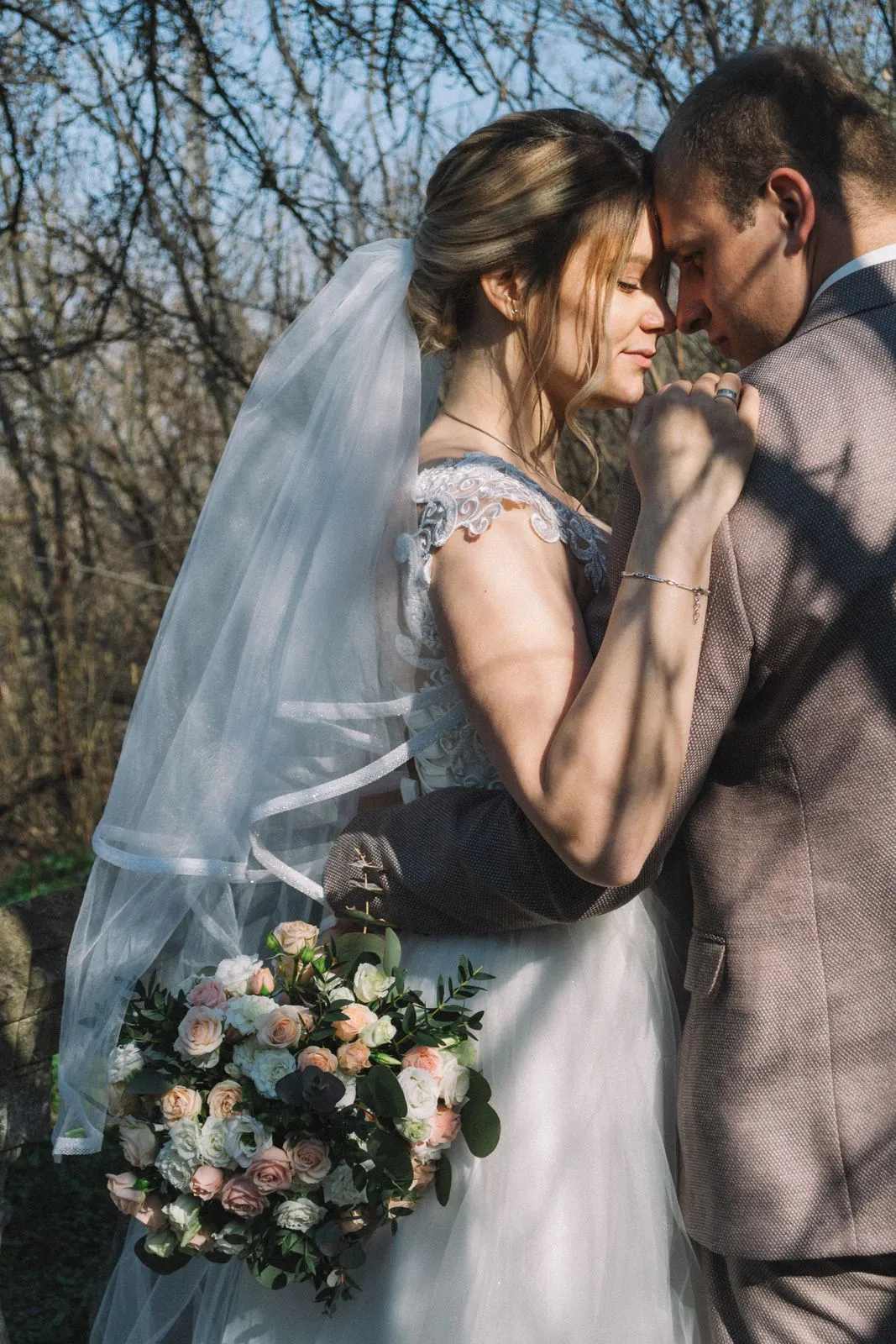
Define what natural means to you
For some couples, natural means never looking at the camera. For others, it means receiving help without looking stiff. Share a few photographs and explain what appeals to you: expressions, gestures, framing or the sense that the photographer stayed discreet.
Planning example: you like laughter but dislike visibly staged situations. In that situation, ask what prompts might encourage interaction without requiring a particular expression. Add this decision to your notes and check with the person involved that it matches the expected sequence of events. A concrete answer helps reveal adjustments while there is still time to make them.
Understand what posing can provide
Posing can simply help with hand placement, bring a group together or choose a useful orientation. It does not require a theatrical expression. A formal portrait can become valuable because it clearly gathers people who are rarely in the same place at the same time.
To make this practical, imagine you want a clear photograph of several generations together. A useful decision is to allow brief group organization while keeping expressions comfortable. Ask how that intention would work on the day, then keep the answer with your schedule. This example helps explain your needs; it does not describe a service that is automatically included.
Adapt direction to your comfort
If you are unfamiliar with being photographed, receiving no guidance can increase discomfort. Ask how the session begins and how you can signal that a prompt feels wrong. Good preparation provides useful reference points without turning portraits into a performance or expecting you to imitate another couple.
One situation to discuss is one of you likes posing while the other quickly feels uncomfortable. You can then agree on simple gestures and a pace that respects both people. Name the constraint before choosing a solution. Revisit this point if the location, number of people, or sequence of events changes during your planning.
Use different approaches throughout the day
Different moments call for different levels of intervention. A ceremony often favours observation, while family photographs require explicit coordination. Identify periods when you welcome guidance and those you want to experience with minimal interruption. This makes the overall approach more practical than asking for one method everywhere.
Consider this example: you want organized portraits followed by time to enjoy cocktail hour freely. It makes sense to plan a dedicated sequence and prioritize interactions during the period that follows. Confirm who is responsible and what should happen if circumstances change. This brief conversation helps prevent two people from making conflicting decisions at the same moment.
Choose realistic references
A photograph does not reveal its preparation time or the instructions given. Do not assume an apparently spontaneous portrait involved no direction. Use references to discuss intentions and ask how similar results could fit your actual conditions, including light, clothing, comfort and the available portrait window.
For a useful exercise, start with this situation: your reference shows a long walk in a very different setting. Your next step is to identify the appealing element and look for an equivalent suited to your location. Compare that decision with your original priorities. If it adds a constraint without protecting an important memory, simplify the plan instead of adding more requirements.
Leave room for the unexpected
An overly detailed list can reduce opportunities for observation. After selecting essential portraits, allow flexibility for gestures and reactions. The balance comes from clear preparation and being present in the day, rather than reproducing an inspiration board exactly. Make sure your schedule supports that intention.
Before deciding, consider this scenario: a moving interaction happens during a transfer between spaces. You would need to leave room to experience it without immediately rushing toward the next pose. Record what is confirmed, what still needs checking, and who will follow up. This small preparation task makes the conversation more specific and supports the final review.
Frequently asked questions
Do posed portraits always look stiff?
No. Positioning can remain simple and compatible with natural interaction. Review several series to understand the guidance and expressions involved. Comfort, direction and available time influence the result as much as the label attached to the approach.
Can we combine approaches?
Yes, if the combination fits the photographer’s work and your expectations are realistic. Discuss observation for some events and guided portraits for others. Look for a coherent result that feels like you rather than collecting effects from very different visual approaches.
More ideas
for your day.
Cinematic or documentary wedding film: understanding the differences
Understand cinematic and documentary wedding films so you can discuss pacing, voices, chronology and the filming approach that suits your celebration.
ExploreWhen should you book your wedding photographer and videographer?
Plan when to book your wedding photographer and videographer around your date, locations and priorities, with useful checks before confirming your choice.
ExploreIt all begins
with you.
A date, a place, a few ideas. Tell us what you have in mind, and let’s imagine memories that feel like you.
Check our availability