
Choosing a setting for your wedding photos in Laval
The best wedding portrait setting in Laval matches your style while fitting naturally between the places already on your schedule. Before choosing an urban backdrop, a walk or a green space, compare the full journey, actual access and the comfort of everyone being photographed. A nearby setting with several useful angles can leave more room for meaningful interaction than a dramatic location requiring a complicated transition.
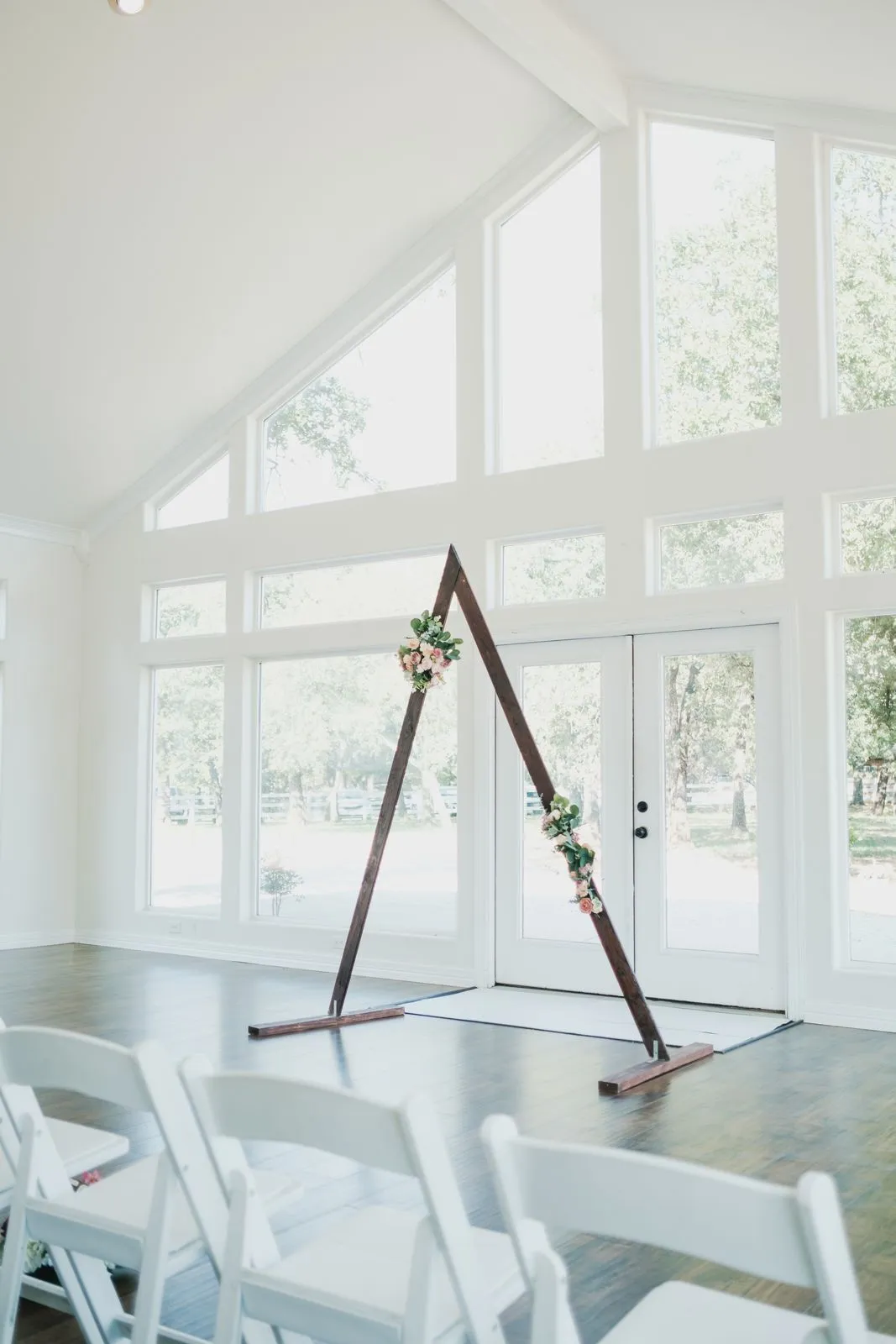
Begin with the places already on your schedule
List the exact addresses for preparations, ceremony and reception. Look for ways to include portraits without creating a separate journey for the entire group. Thinking in terms of a particular part of Laval is more useful than treating the city as a single point on a map. Your actual addresses should guide the search.
Decide who belongs in each portrait sequence as well. The couple may enjoy a short walk that grandparents would rather avoid. Family photographs can happen in a comfortable gathering place before the two of you continue elsewhere. This arrangement works when people understand the plan and the transition has a clear place in the schedule.
Look for useful features instead of one exact picture
Describe the setting through observable qualities: open shade, an uncluttered background, architectural texture, greenery or a broad view. Seek several of those qualities within one area. You will then have alternatives if the first angle is occupied or if the light is unsuitable when the portrait session actually begins.
For an urban look, consider lines, colours and how clearly the couple will stand out in the frame. For a natural setting, inspect the approach and the ground where you will stand. A distant reference photograph may conceal wet soil, a slope or a step that is awkward in wedding clothing.
Compare locations against the real schedule
A scouting visit is more informative when it roughly matches the proposed portrait time. Notice shade and backgrounds that become especially bright behind faces. Your photographer can assess the practical possibilities from there. A setting that feels gentle late in the day may behave differently immediately after your ceremony ends.
Include every part of the transition: gathering relatives, reaching vehicles, parking where permitted, walking to the spot and leaving again. Check conditions closer to the date rather than assuming a fixed journey. Keep some open space in the schedule so that portraits can still happen comfortably if an earlier activity runs over.
Confirm access and everyday comfort
Ask the responsible organization directly whether wedding photography is allowed and what arrangements apply. Explain the group size and whether video or lighting equipment may be involved. Confirm hours, approved areas and reservation requirements. The answers should relate to your date and intended use, rather than somebody else’s previous visit.
Then consider practical needs: somewhere to wait, the walking distance, seating and an approach that works for anyone using a mobility aid. Arrange water and a person who can accompany relatives when needed. A setting that suits the people involved supports relaxed expressions and prevents waiting from becoming the main experience of the session.
Prepare two different weather responses
Plan for both a passing shower and conditions that make an outdoor session uncomfortable. The first response might be a shorter session near approved shelter. The second could use a room selected in advance, with clear space near a window and enough room for the photographer to work around the group.
For example, a couple who wants greenery might retain that feeling through a garden view from a confirmed indoor space. The aim is not to reproduce every part of the original walk. A useful alternative preserves the emotional direction while keeping people comfortable and giving the team a workable place to photograph them.
Make a short location decision sheet
Keep one main location, a nearby alternative and your weather backup. Record the address, usable entrance, contact and known conditions for each. Share phone photographs that show the surroundings as well as the appealing detail. Wider scouting images often explain practical options better than photographs that are already tightly composed.
For video, add any continuous sound you noticed and the movement you imagine: walking together, meeting or enjoying a brief pause. If you want to record words there, ask the team how sound should be assessed. The final choice should support both the experience of the portrait session and the story you want to preserve.
Frequently asked questions
Is a natural location always easier?
No. Ground conditions, walking distance and limited shelter can make it harder. Compare the practical conditions of every setting, whatever its style.
Must the photographer visit every option with us?
Start by sharing wide photographs and practical details. Then discuss whether a scouting visit would be useful under the arrangements you agree on.
Could all portraits happen at the reception location?
That can work if it offers approved spaces with suitable light and enough access for the group at the scheduled time.
More ideas
for your day.
Laval wedding photographer: bring people together with fewer transfers
Organize your Laval wedding photography around the right addresses, clear family meeting points and portraits that fit the day’s travel between locations.
ExploreLaval wedding videographer: bring two preparations into one story
Plan your Laval wedding video around separate preparations, your reunion, clear vows and coordinated arrivals. Availability depends on date and locations.
ExplorePlanning wedding photo and video coverage on the North Shore
Plan North Shore wedding coverage around exact addresses, separate preparations and key people, with realistic transitions for photography and video.
ExploreIt all begins
with you.
A date, a place, a few ideas. Tell us what you have in mind, and let’s imagine memories that feel like you.
Check our availability