
Planning a Brossard wedding: schedule and coverage
For a Brossard wedding, create a schedule that describes what people actually do between the major events. Addresses, entrances and access to rooms matter alongside the ceremony time. Coordinated photo and video coverage helps connect preparations and reception through clear priorities, including when different groups and providers follow different routes or need to arrive before the couple is ready to begin.
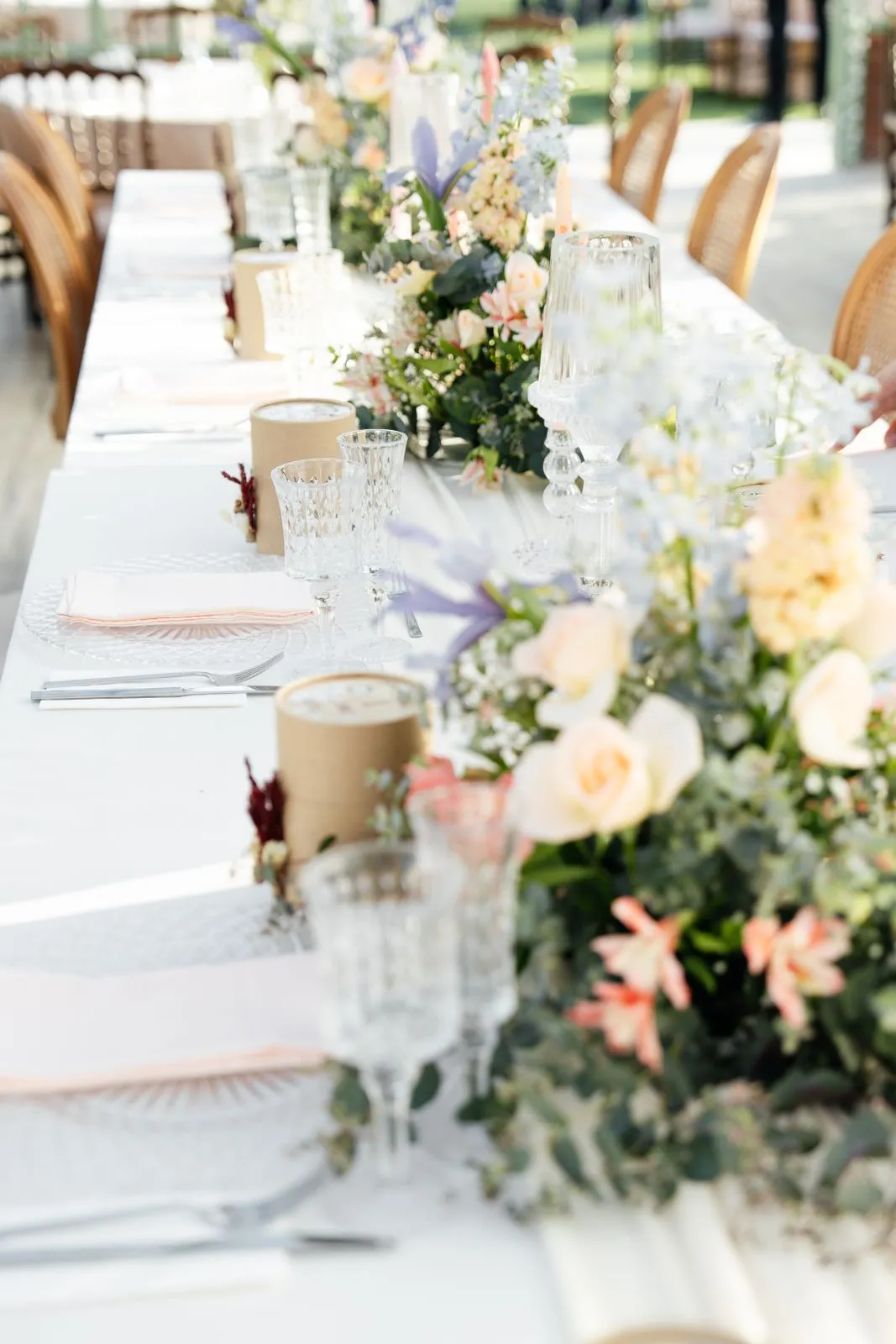
Identify moments that require everyone to be ready
Make a short list of irreplaceable scenes: a family meeting, vows, an entrance or a speech. For each, state who must be there and what needs to be ready. The couple’s presence is not enough if a key relative is still travelling or the space intended for the moment has not yet opened.
Include the team’s preparation needs, such as arriving, coordinating sound, reviewing the reception room and setting up under the agreed arrangements. Ask the responsible contacts what access windows are available. This produces a schedule based on confirmed conditions instead of a series of preferred times without enough practical support between them.
Separate the street address from the correct entrance
If an event takes place in a building with several entrances, identify the usable door, floor and welcome contact. Confirm arrangements for equipment and people with mobility needs. A map point may lead everyone to the correct building while leaving them unsure where they should actually enter to begin the planned coverage.
Give relatives instructions suited to their role. People needed for portraits should know their meeting point, while other guests mainly need access to the celebration. Short, separate messages help prevent everyone from gathering in the same place before a room is available or before the people responsible for greeting them are ready.
Plan journeys using exact locations
List preparation and reception locations even when they seem to be in the same area. Review routes and conditions closer to the date. If your day includes Montréal or another municipality, consider the relevant crossings and possible diversions without assuming a familiar journey will operate in exactly the same way for the wedding.
Include leaving a room, reaching vehicles, settling in and entering the next location. Confirm parking arrangements with the responsible contacts and current signs. Flexibility between events protects the moments being photographed and reduces the chance that you will have to choose hurriedly between two meaningful priorities after an earlier transition takes longer.
Choose where portraits belong
In Brossard, begin by comparing spaces at the locations you have already booked before adding a separate destination. Architecture, an approved green area or a bright interior may match your intention. Show the photographer wide images of these possibilities and explain when the areas will actually be accessible during the day.
If you want another setting, request the necessary permission and keep a shorter version near the next event. For example, family portraits can happen at the ceremony while the couple has another session later. This reduces travel imposed on relatives and avoids making every additional portrait depend on another group meeting and vehicle transfer.
Coordinate spoken moments and clear cues
For video, share the planned speech order and the contact handling sound. If several languages will be used, provide names, pronunciation and useful context. Identify meaningful passages without asking speakers to change their language or natural way of speaking. The team can plan more thoughtfully when it understands who is addressing whom and why.
Agree on a cue before an entrance, dance or expected speech. The DJ, coordinator and photo and video team should understand the process. A surprise can remain a surprise for guests while being shared privately with the people who need to document it and ensure the space is ready for what will happen.
Maintain one schedule that can be updated clearly
Keep one main document containing addresses, contacts and a few visibly marked priorities. Appoint someone to receive changes and inform the providers concerned. Avoid sending isolated revisions to several groups that may unknowingly continue following different versions. A single practical reference makes it easier to adapt without stopping the celebration for repeated explanations.
Decide what can move if an activity runs over: a second portrait series, an optional outdoor stop or a less important transition. Confirm your date, exact locations and coverage arrangements with Titanesk Weddings. The project can then be discussed around the day you are actually planning and the particular story you want to preserve.
Frequently asked questions
Should every guest receive the full schedule?
A detailed document serves providers and key people. Other guests can receive only the instructions relevant to their arrival, movement and meetings.
How can a reception surprise be covered?
Inform the relevant providers privately and agree on a cue. Check that the team will be in position before the surprise begins.
Do nearby ceremony and reception locations solve everything?
They can reduce travel, but entrances, room access, group gathering and technical preparation still need coordination.
More ideas
for your day.
Brossard wedding photographer: plan for light, reflections and scale
Plan Brossard wedding photography around glass reflections, open spaces, comfortable family groups and a genuinely usable indoor portrait alternative.
ExploreBrossard wedding videographer: connect languages and traditions
A Brossard wedding film connecting languages, traditions and generations through voices and gestures. Date, locations and coverage are confirmed together.
ExploreDowntown Montréal weddings: travel, portraits and logistics
Plan a downtown Montréal wedding with clear arrivals, a compact portrait route and practical coordination for shared urban spaces and indoor venues.
ExploreIt all begins
with you.
A date, a place, a few ideas. Tell us what you have in mind, and let’s imagine memories that feel like you.
Check our availability